

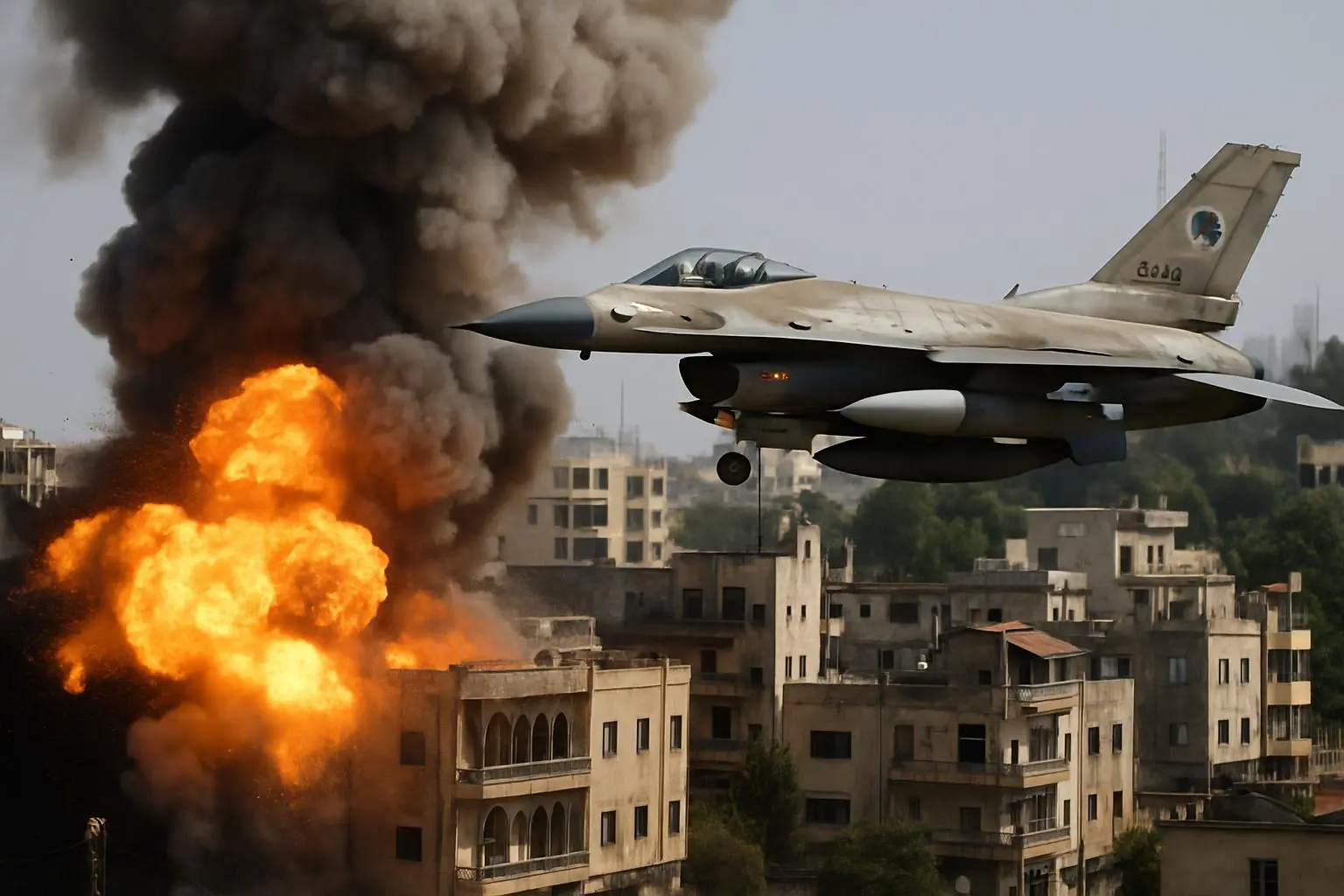
Escalating Tensions: Israel’s Military Strikes in Lebanon
Quick take: Israel has intensified its military operations in Lebanon, targeting Hezbollah infrastructure, resulting in multiple casualties and raising concerns over escalating violence in the region.
What happened
In a series of military strikes, the Israeli Defense Forces (IDF) targeted Hezbollah positions in southern Lebanon, particularly in the city of Tyre. This escalation follows a warning from Iran regarding Israel’s ongoing military actions, which have been met with threats of retaliation. The strikes have reportedly resulted in at least nine fatalities and numerous injuries, as Israel aims to disrupt Hezbollah’s operational capabilities.
What multiple reports are saying
Multiple sources indicate that the Israeli military has conducted these strikes despite warnings from Iranian officials. The IDF has stated that it will continue its operations against Hezbollah, emphasizing its commitment to countering threats from the group. Reports also highlight that the Israeli military chief has vowed to intensify efforts against Hezbollah, rejecting Iranian attempts to dictate terms of engagement.
Why it matters
The ongoing conflict between Israel and Hezbollah is critical not only for regional stability but also for broader geopolitical dynamics involving Iran and the United States. The situation in Lebanon is seen as a potential flashpoint that could influence negotiations surrounding Iran’s nuclear program and U.S. foreign policy in the Middle East.
Key details
- Israeli strikes in Tyre targeted Hezbollah infrastructure.
- At least nine people were killed, with many more injured.
- Evacuation orders were issued for parts of Tyre, including historically significant neighborhoods.
- Iran has warned of consequences should Israel continue its military actions.
- The Israeli military has vowed to deepen its operations against Hezbollah.
- Both sides are engaged in a complex negotiation landscape influenced by U.S. involvement.
Where coverage differs
While most reports agree on the facts of the military strikes and the resulting casualties, there are varying interpretations of the implications for U.S.-Iran negotiations. Some sources suggest that the violence could hinder diplomatic efforts, while others argue that it may strengthen Israel’s negotiating position.
The bigger picture
The conflict in Lebanon is part of a larger narrative involving Iran’s influence in the region and its relationship with Hezbollah. As tensions rise, the potential for a broader conflict increases, with implications for U.S. interests and regional allies.
What to watch next
- Further military responses from Hezbollah and Iran.
- Potential U.S. diplomatic efforts to de-escalate tensions.
- Reactions from the international community regarding the strikes.
- Impact on oil prices and regional economies due to heightened conflict.
- Future negotiations regarding Iran’s nuclear program and its regional activities.
Bottom line
The recent escalation in military actions between Israel and Hezbollah underscores the fragile security situation in Lebanon and the broader Middle East. As both sides prepare for potential further conflict, the implications for regional stability and international relations remain significant.