

MIT’s 3D-Printed Devices Revolutionize Drug Delivery Production
Quick take: MIT researchers have developed a novel 3D-printed device that streamlines the production of drug-delivery microparticles, potentially transforming medical applications.
What happened
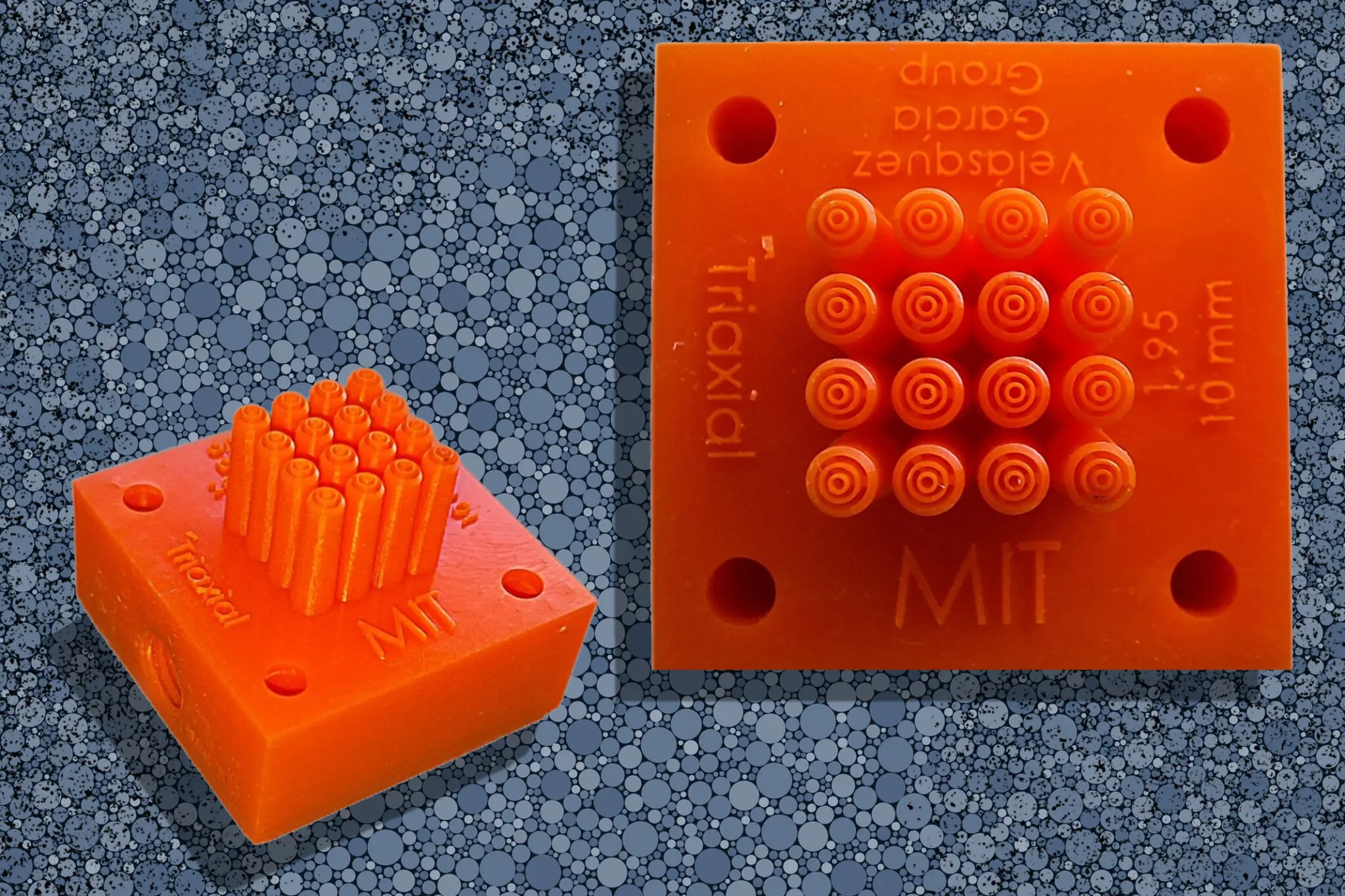
Researchers at MIT have introduced a cost-effective 3D-printed device that utilizes triaxial electrospray emitter technology to produce drug-delivery microparticles efficiently. This innovative approach allows for the rapid manufacturing of complex, layered particles that can be used in various medical applications.
Why it matters
The ability to produce drug-delivery particles with precise control over their composition and release mechanisms could significantly enhance treatment options for patients. This technology aims to democratize access to advanced medical solutions, making them more widely available.
Key details
- The 3D-printed device can create three-layered microparticles in a single manufacturing process.
- Triaxial electrospray emitters allow for the simultaneous dispensing of three immiscible liquids.
- The production process takes only a few hours, significantly reducing the time compared to traditional methods.
- These microparticles can be tailored for specific drug delivery needs, such as targeting particular areas in the body.
- The research was led by Luis Fernando Velásquez-García and published in the journal Virtual and Physical Prototyping.
The bigger picture
This advancement in 3D printing technology not only enhances the efficiency of drug production but also opens new avenues for research and development in the pharmaceutical industry. By facilitating the creation of complex drug-delivery systems, it could lead to more effective treatments and improved patient outcomes.
What to watch next
- Further developments in the commercialization of this 3D printing technology.
- Potential collaborations with pharmaceutical companies to integrate this technology into existing drug delivery systems.
- Research on the long-term effectiveness and safety of the produced microparticles.
- Expansion of applications beyond drug delivery, such as in biosensors and tissue regeneration.
Bottom line
The introduction of this 3D-printed device represents a significant leap forward in drug delivery technology, with the potential to revolutionize how medications are administered and improve patient care.